
Stud Earring Samples: Agree the Finish Reference
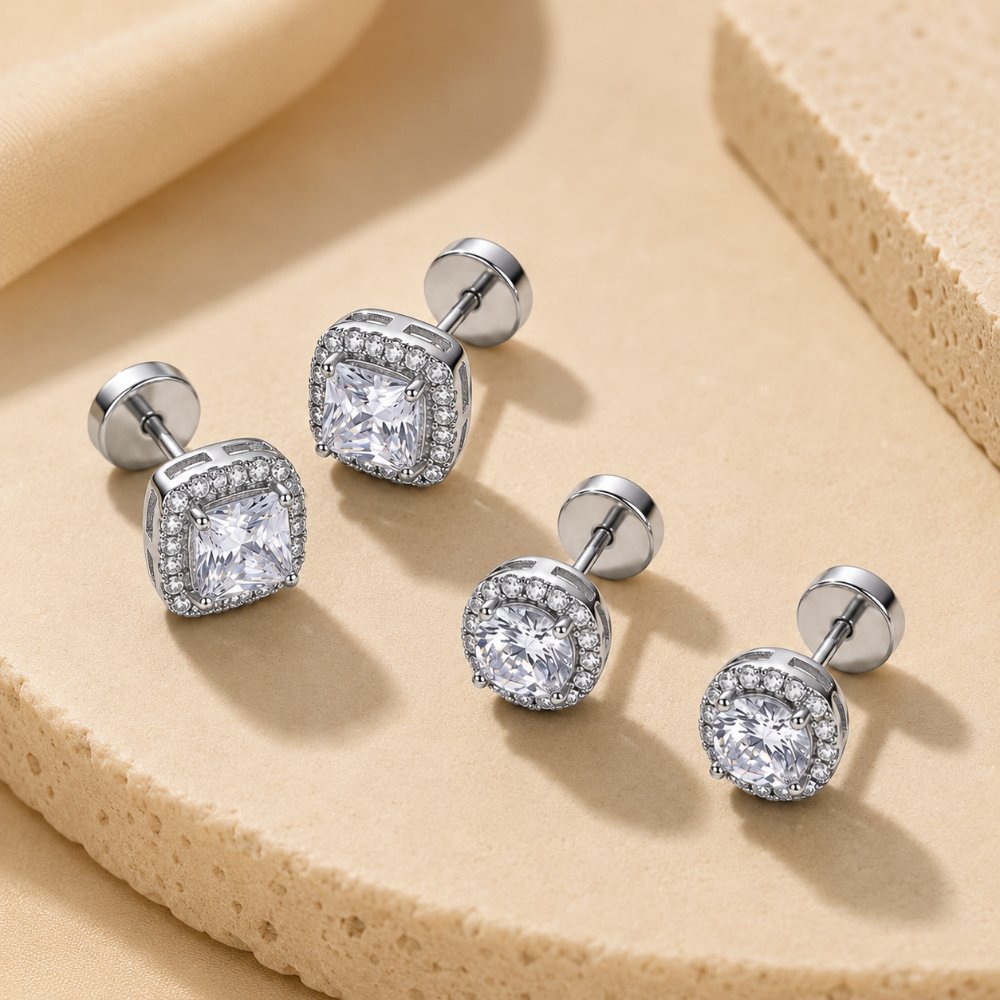
The square and round halo designs provide separate areas for an appearance discussion. A physical reference sample should identify the particular design being reviewed.
For a wholesale stud earring appearance review, agree a labelled physical reference sample and record the colour, shine and visible surface details that the buyer wants to match. Compare the proposed sample with that reference under agreed viewing conditions. Keep appearance approval separate from metal composition, plating specifications and any performance claim: a bright surface does not establish those properties.
The Suren Jewelry halo stud listing shows square and round designs in several arrangements. Its photographs are useful for selecting a design to discuss, while the buyer and supplier need a more specific reference for the appearance that will guide an order. This is a sample-selection task rather than a decision about how many pairs belong in a set.
Choose the physical reference the supplier can identify
Start by asking which current sample represents the offered version. Give the reference a label that includes the product or supplier code and the sample date. If the buyer supplies its own reference, make clear whether it is the desired target or an example for discussion. The supplier should respond to that status before the buyer treats it as an agreed match.
Keep the physical reference with its label instead of separating the item from the envelope or tray that identifies it. Take a labelled record photograph as a way to find it later. That photograph supports the record, but the agreed physical sample remains the appearance reference where the parties have chosen it for that purpose.
Describe the appearance in observable terms
Separate the central area, the surrounding halo and any visible edge when making comments. A request such as “make it shinier” may refer to different surfaces for the buyer and supplier. Mark the area being discussed and describe the difference seen beside the reference, such as a warmer-looking colour or a different reflection on the visible setting.
Use the square and round designs as separate review items when their appearance needs separate agreement. Do not assume a decision about one shape covers another merely because both look pale or reflective in the catalogue. Ask the supplier which samples share an intended appearance specification and record the scope the buyer actually accepts.
This image comes from the separate Lumina Halo Stud Set listing. Similar shapes can inform a question, but do not establish the same SKU, finish specification or physical sample.
Set up a comparison that can be repeated
Agree how the supplier and buyer will compare the reference and proposed sample. View them together against the same background and record the lighting arrangement used for the decision. Where reflections matter, look from more than one angle. The purpose is a shared observation method; this article does not prescribe a colour tolerance or an instrument standard.
Photographs can help explain a comment, especially when the samples are in different locations. Include a whole-item view and a closer view of the area in question, using labels in the surrounding record. Avoid comparing two unrelated screen images as if their lighting and display conditions were controlled. If the photo leaves a decision uncertain, state the uncertainty and arrange the next suitable sample check.
Review item | Record with the sample | Decision to obtain
Reference identity | Product reference, sample label and date | Which physical item guides appearance approval?
Design scope | Square, round or other specifically identified design | Which design does the decision cover?
Visible colour | Reference and proposed sample viewed together | Accept the appearance or request a described change
Shine and reflection | Area and viewing conditions used | Identify the specific surface under discussion
Comments | Marked views linked to the physical sample | Resolve each visible difference separately
Material specification | Supplier’s written information in a separate field | Avoid treating appearance as material evidence
Final reference | Retained sample and approval record | Make the agreed version available for later comparison
Keep specification questions on their own track
Ask the supplier to clarify the written finish specification for the quoted version. If product wording differs between a description and a specification field, request a clear response rather than choosing the term that seems closest to the photograph. The supplier’s answer should identify the offered item and the wording that applies to it.
An appearance decision should not be presented as proof of metal purity, coating identity or thickness, skin compatibility or resistance to wear. Where those are purchasing requirements, identify them separately and request appropriate supplier information. This allows the appearance review to progress without turning a simple visual observation into a wider unsupported claim.
The angled catalogue views add visible setting, post and back context. They remain catalogue references rather than a measured or tested sample specification.
Make the sample outcome clear enough to use
Record whether the sample is accepted for appearance, accepted only as a design reference or returned for a specific revision. Use a short statement against each comment. If a change is requested, name the affected surface and the proposed reference instead of asking for a general improvement. Ask for the revised sample to carry a new identifying label.
Retain the earlier decision when the revised sample arrives. Compare the revised item against the intended target and close each open comment. Once the appearance reference is agreed, confirm how the supplier will identify it in the order file. A retained and labelled sample is more useful than a conversation that ends with several unlabelled photographs.
Name the physical reference and the designs covered.
Keep observable appearance comments separate from material requirements.
Record revised samples as new versions and preserve the final decision.
A useful sample request states which appearance decision is needed and which physical reference the supplier should consider. Send the selected listing and your request through Suren Jewelry’s contact page. The blog provides broader purchasing context.
Frequently Asked Questions
Can the catalogue colour be the only approval reference?
It can identify the intended product for an inquiry. For a physical appearance match, agree the reference and comparison approach with the supplier, since lighting and screens affect how an image appears.
Does approving a bright finish confirm a plating specification?
No. Appearance and the written material or coating specification are separate decisions. Keep the supplier’s specification response attached to the selected version.
What should a revised sample change record say?
Identify the previous sample, the specific area and the requested difference. Label the new sample and record whether that change resolves the comment.
Stud EarringsAppearance SamplesFinish ReferenceSample ApprovalJewelry Procurement